
PVI Encoder IPTV represents a crucial technology in the world of digital entertainment. This powerful system transforms various video sources into streams ready for internet delivery. Understanding PVI Encoder IPTV is key for anyone involved in broadcasting or consuming modern television. The advancements in PVI Encoder IPTV are continuously shaping how we experience media.
What is PVI Encoder IPTV and How Does It Work?
A PVI Encoder IPTV system is at the heart of delivering high-quality video content over IP networks. It takes raw video and audio signals from sources like cameras, satellite receivers, or media players. Then, it compresses these signals into a digital format suitable for streaming.
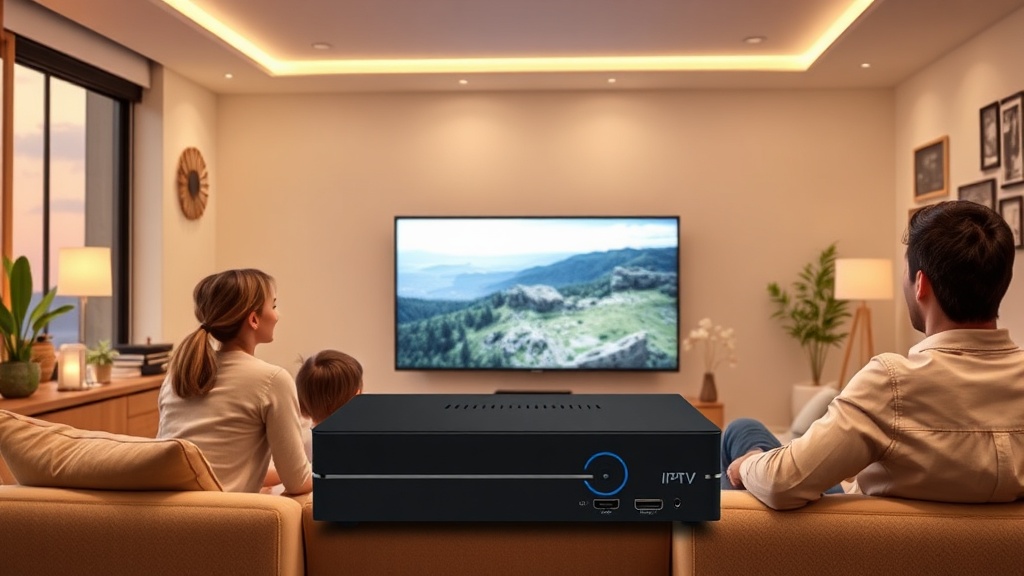
This encoding process is vital for efficient transmission. The PVI Encoder converts these signals into IP packets. These packets travel across the internet or a private network. Viewers can then access the content on a wide range of devices. This is the fundamental operation of any effective PVI Encoder IPTV setup.
Understanding the Encoding Process
The encoding process involves several steps. First, the analog signal is digitized. Then, it undergoes compression using codecs like H.264 or H.265. This compression reduces file size significantly. It does so without compromising visual quality too much. Finally, the compressed data is encapsulated into a transport stream. This stream is then ready for delivery via the network.
From Source to Screen
The journey of content starts with a source device. The PVI Encoder receives this input. It processes the data and sends it out as an IP stream. A server then distributes this stream to various subscribers. Finally, a client device, like a smart TV or set-top box, decodes and displays the content. This seamless flow ensures a great viewing experience. For a wider range of compatible devices, explore our supported devices page.
Key Features and Benefits of PVI Encoder IPTV Solutions
Modern PVI Encoder IPTV solutions offer a wealth of features. These benefits extend to both content providers and end-users. High-quality video output is a primary advantage. Encoders support resolutions up to 4K and even 8K. This ensures stunning visual clarity for all content.
Scalability is another crucial benefit. A robust PVI Encoder system can handle numerous concurrent streams. This allows providers to grow their audience without major infrastructure overhauls. Furthermore, these systems often include advanced security features. They protect content from unauthorized access and piracy. The reliability of a good PVI Encoder IPTV is paramount for continuous service.
Enhanced Video Quality
PVI Encoders are designed for superior image fidelity. They utilize advanced compression algorithms. This preserves detail and color accuracy. Viewers enjoy crisp, clear images. This is true even with high-motion content. The result is a truly immersive viewing experience.
Cost-Effectiveness and Efficiency
Implementing a PVI Encoder IPTV system can be very cost-effective. It reduces the need for traditional broadcast infrastructure. Bandwidth usage is optimized through efficient compression. This lowers operational expenses for providers. It also translates to more affordable services for consumers. The overall efficiency is a major draw.
Setting Up Your PVI Encoder IPTV System
Establishing a functional PVI Encoder IPTV system requires careful planning. You need to select the right hardware first. This includes the encoder itself, input devices, and network equipment. Consider your content sources and desired output quality. These factors will guide your hardware choices.
Next, configure the software. This involves setting up encoding parameters, stream destinations, and security protocols. Proper network configuration is also vital. Ensure sufficient bandwidth and stable connections. This prevents buffering and ensures smooth delivery. A well-planned setup is critical for consistent performance. For information on available channels, check our channels page.
Hardware Selection
Choosing the right PVI Encoder hardware is key. Look for encoders that support your desired video formats. Consider input types like HDMI, SDI, or IP. Ensure it has adequate processing power. This guarantees smooth encoding even under heavy load. Future-proofing your setup is always a smart move.
Network Configuration Best Practices
A stable and fast network is non-negotiable. Use high-quality Ethernet cables. Configure your routers and switches correctly. Prioritize IPTV traffic if possible. This ensures that video streams receive precedence. A robust network prevents common streaming issues. It is the backbone of any reliable IPTV service.
Optimizing Your PVI Encoder IPTV for Performance
Maximizing the performance of your PVI Encoder IPTV system is essential. Proper optimization ensures an exceptional user experience. Start by fine-tuning your encoding settings. Balance quality with bandwidth efficiency. Higher bitrates mean better quality but require more bandwidth. Find the sweet spot for your audience.
Regular monitoring of your system is also crucial. Keep an eye on network traffic and encoder load. Address any bottlenecks promptly. Utilize content delivery networks (CDNs) for wider distribution. CDNs help reduce latency and improve stream reliability. These steps are vital for a top-tier PVI Encoder IPTV service.
Bandwidth Management Strategies
Effective bandwidth management is paramount. Implement adaptive bitrate streaming. This adjusts video quality based on the viewer’s internet speed. It prevents buffering and improves accessibility. Monitor your network for congestion. Upgrade your internet plan if necessary. Proactive management saves headaches.
Latency Reduction Techniques
Reducing latency is important for live events. Choose encoders with low-latency capabilities. Optimize your network path. Minimize the number of hops between the encoder and the viewer. Use protocols designed for real-time streaming. These efforts ensure near-instantaneous delivery. This enhances the live viewing experience significantly.

The Future of PVI Encoder IPTV Technology in 2025
The landscape of PVI Encoder IPTV is constantly evolving. In 2025, we anticipate even greater advancements. Expect more efficient codecs like AV1 to become mainstream. These will offer better compression at higher quality. This means more stunning visuals with less bandwidth. The future promises even more immersive content.
Artificial intelligence (AI) will play a larger role. AI can optimize encoding settings dynamically. It can also predict network conditions. This leads to smarter, more adaptive streaming. We will see greater integration with cloud-based solutions. This offers enhanced flexibility and scalability. The evolution of PVI Encoder IPTV is exciting.
Embracing 4K and 8K Content
High-resolution content is becoming the standard. PVI Encoders are adapting to this demand. They support ultra-high-definition streaming. This delivers incredible detail to viewers. The technology ensures that your streams are future-proof. Prepare for a visual feast with cutting-edge resolutions.
AI and Machine Learning Integration
AI will revolutionize encoding. It can automate quality control. It can also personalize content delivery. Machine learning algorithms will predict user preferences. This creates a tailored viewing experience. The intelligent optimization of PVI Encoder IPTV systems is on the horizon.
Choosing the Right PVI Encoder IPTV Provider
Selecting a reliable PVI Encoder IPTV provider is a critical decision. Look for providers with a proven track record. Evaluate their service quality and customer support. A good provider offers robust infrastructure. They should also provide comprehensive technical assistance. This ensures your service runs smoothly.
Consider the range of features offered. Does the provider support multiple devices? Do they offer advanced functionalities like EPGs or catch-up TV? Compare pricing plans carefully. Look for transparency and flexibility. The right partner can make all the difference. For detailed pricing information, visit our pricing page.
Evaluating Service Quality
Service quality encompasses several aspects. Check for uptime guarantees. Look at their network infrastructure. Read customer reviews and testimonials. A provider’s reputation speaks volumes. High-quality service ensures minimal disruptions. This translates to happier subscribers.
Support and Reliability
Excellent customer support is invaluable. Ensure the provider offers 24/7 assistance. Quick response times are crucial for troubleshooting. Reliability means consistent performance. Choose a provider known for stable streams. This minimizes downtime and enhances trust. For any inquiries, feel free to contact us.
Troubleshooting Common PVI Encoder IPTV Issues
Even the most robust PVI Encoder IPTV systems can encounter issues. Common problems include buffering, pixelation, or no signal. Start by checking your internet connection. A slow or unstable connection is often the culprit. Ensure all cables are securely connected.
Verify your encoder’s settings. Incorrect configurations can lead to streaming problems. Check for firmware updates for your encoder. Outdated software can cause performance issues. Restarting your devices can often resolve minor glitches. Systematic troubleshooting saves time and frustration. A well-maintained PVI Encoder IPTV setup minimizes these problems.
Diagnosing Network Problems
Network issues are frequent. Use a speed test to check your internet bandwidth. Ping your encoder to check for packet loss. Ensure no other devices are hogging bandwidth. A stable network foundation is essential. This prevents most buffering complaints.
Encoder Configuration Checks
Review your encoder’s output settings. Ensure the resolution and bitrate match your network capacity. Check for correct input source selection. Verify that streaming protocols are properly configured. A misconfigured encoder will not perform optimally. Double-checking these settings can resolve many issues.
Enhancing User Experience with PVI Encoder IPTV
Beyond basic functionality, PVI Encoder IPTV can greatly enhance the user experience. Implement interactive features. This could include on-screen polls or social media integration. Provide a rich electronic program guide (EPG). A user-friendly interface is crucial. This makes content discovery easy and enjoyable.
Offer features like catch-up TV and video-on-demand (VOD). These allow viewers to watch content at their convenience. Personalization options also boost engagement. Let users create profiles and favorite lists. A superior user experience builds loyalty. It transforms casual viewers into dedicated subscribers. The evolution of PVI Encoder IPTV continues to focus on user satisfaction.
Interactive Features and Personalization
Interactive elements keep viewers engaged. Think about live chat during broadcasts. Offer personalized recommendations based on viewing history. Allow users to customize their interface. These small touches make a big difference. They create a unique and memorable viewing journey.
Seamless Content Discovery
Make it easy for users to find what they want. A well-organized EPG is vital. Implement powerful search functions. Categorize content logically. The less effort a user expends, the better their experience. Simple navigation leads to higher satisfaction. This is key for any successful IPTV service.
Frequently Asked Questions about PVI Encoder IPTV
Here are some common questions regarding PVI Encoder IPTV technology.
What is a PVI Encoder IPTV?
A PVI Encoder IPTV is a device or software that converts video and audio signals into an IP-based stream. This stream is then transmitted over an internet protocol network for distribution to viewers. It’s fundamental for delivering digital television over the internet.
Why is PVI Encoder IPTV important for streaming?
PVI Encoder IPTV is crucial because it enables efficient, high-quality delivery of video content over IP networks. It compresses large video files, making them manageable for internet transmission. This technology allows for widespread content distribution to various devices.
Can PVI Encoder IPTV handle 4K content?
Yes, modern PVI Encoder IPTV systems are fully capable of handling 4K (Ultra HD) content. Many advanced encoders also support 8K resolution. They use efficient codecs to ensure stunning visual quality even at very high resolutions.
What devices are compatible with PVI Encoder IPTV streams?
PVI Encoder IPTV streams are highly versatile. They can be viewed on a wide range of devices. These include smart TVs, set-top boxes, smartphones, tablets, and computers. Compatibility often depends on the streaming protocol and player software used.
How do I ensure the best quality with PVI Encoder IPTV?
To ensure the best quality, use a high-quality PVI Encoder IPTV. Provide a stable and fast internet connection. Optimize encoding settings for bitrate and resolution. Regularly monitor your network for congestion. Keep encoder firmware updated for optimal performance.
Related IPTV Services
You may also visit the following websites for similar services:
Related Articles
- IPTV Encoder Over $2500: Ultimate Guide to IPTV Encoder Over $2500
- Dino Panel IPTV Reseller: Ultimate Guide to Dino Panel IPTV Reselling
- Marinios IPTV: Ultimate Guide to Marinios IPTV in 2025
- Iptv for firestick: Ultimate Guide to IPTV for Firestick in 2025
- Iptv free trial: Ultimate Guide to iptv free trial in 2025: Unlock…